The Art of Bakery
10 products
The bakery and pastry line covers the machines that turn flour into a shaped piece of dough: mixing, dividing, moulding, sheeting and slicing. It is the line that feeds the oven, so it is what actually sets an atelier's real output rate.
Further information ↓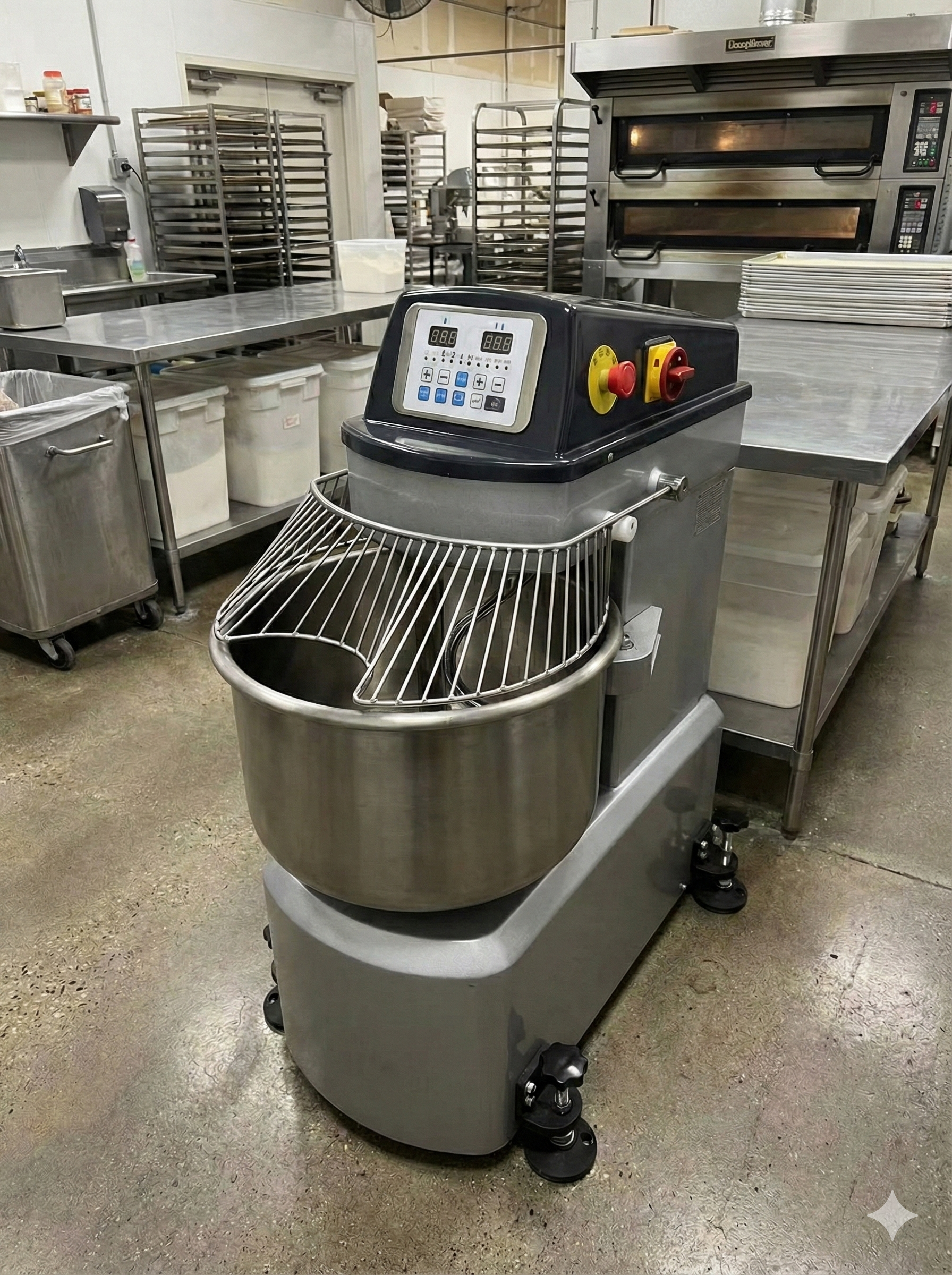
Spiral Mixer 50L
50 L spiral mixer: 304 stainless bowl, dual speed with dual timer, safety guard and overload protection.
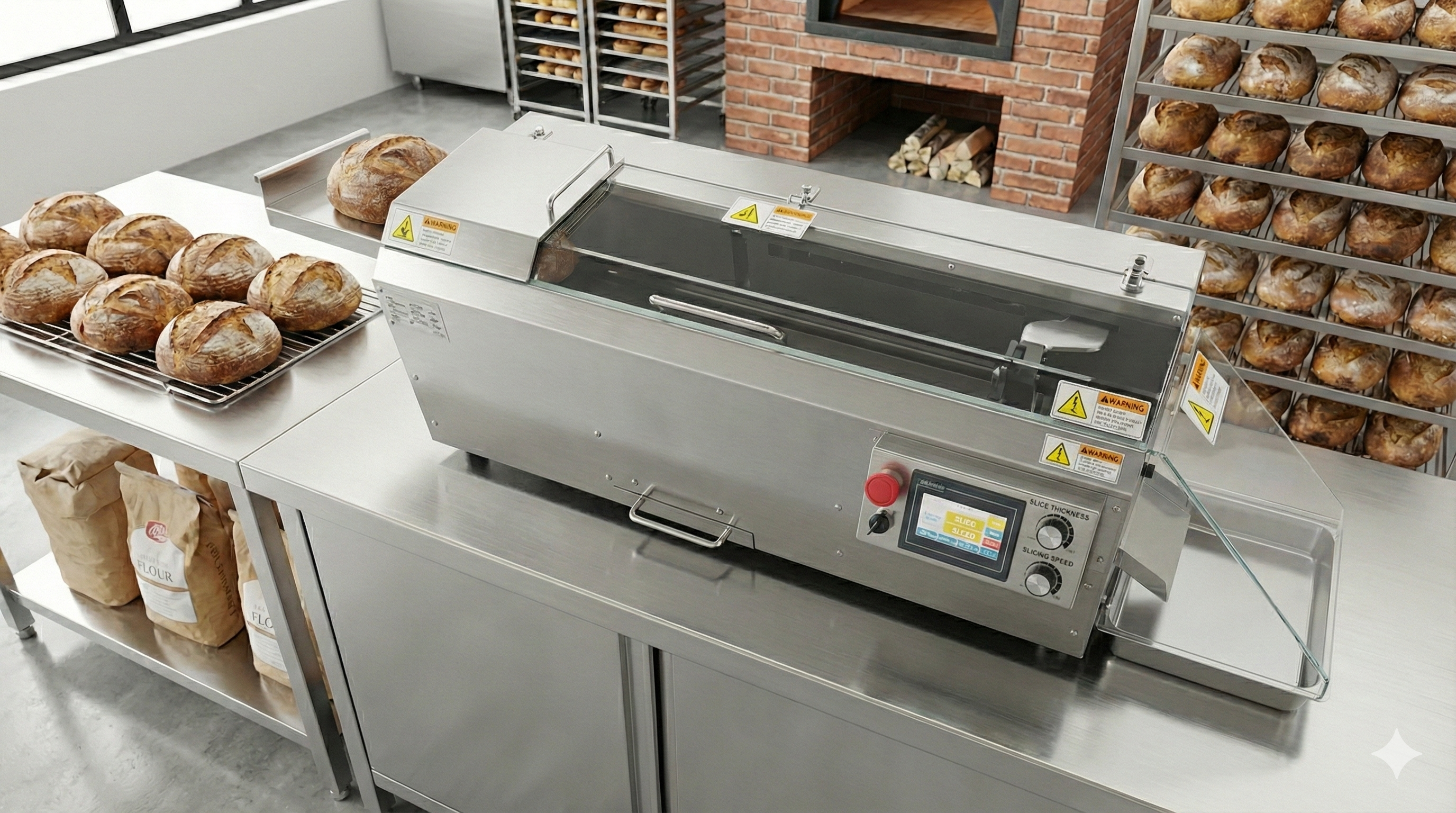
Automatic bread slicer
Automatic feed, adjustable slice thickness, high throughput for bakeries.
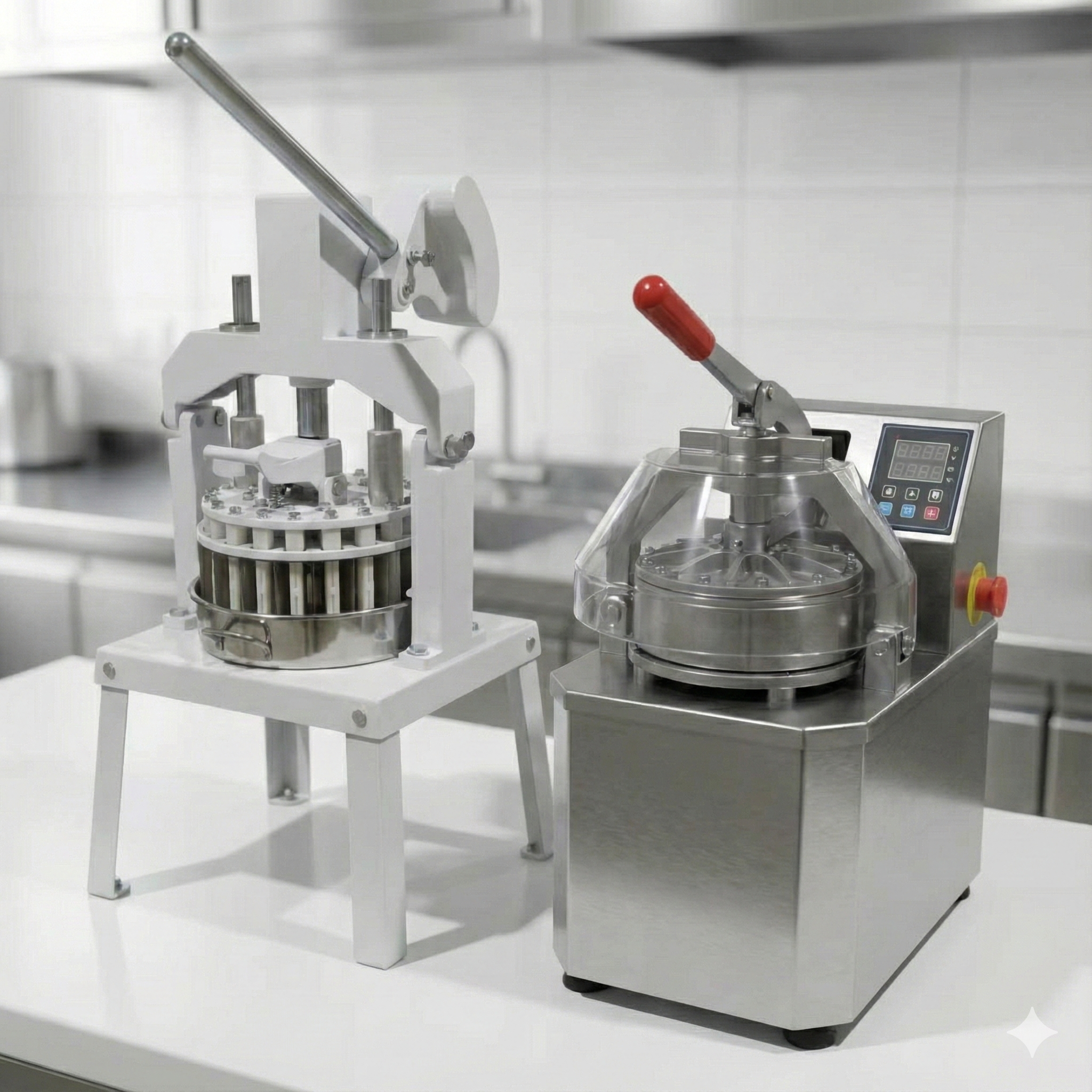
Dough divider (30–140 g)
Dough divider with manual and electric options. Parameters based on standard references.
Spiral Mixer 200L
200 L spiral mixer: 75 kg of flour, 9 kW copper-wire motor, manual control with two timers, safety guard and overload protection.
Spiral Mixer 80L
80 L spiral mixer: 30 kg of flour, 304 stainless bowl and spiral, dual speed with dual timer, safety guard.
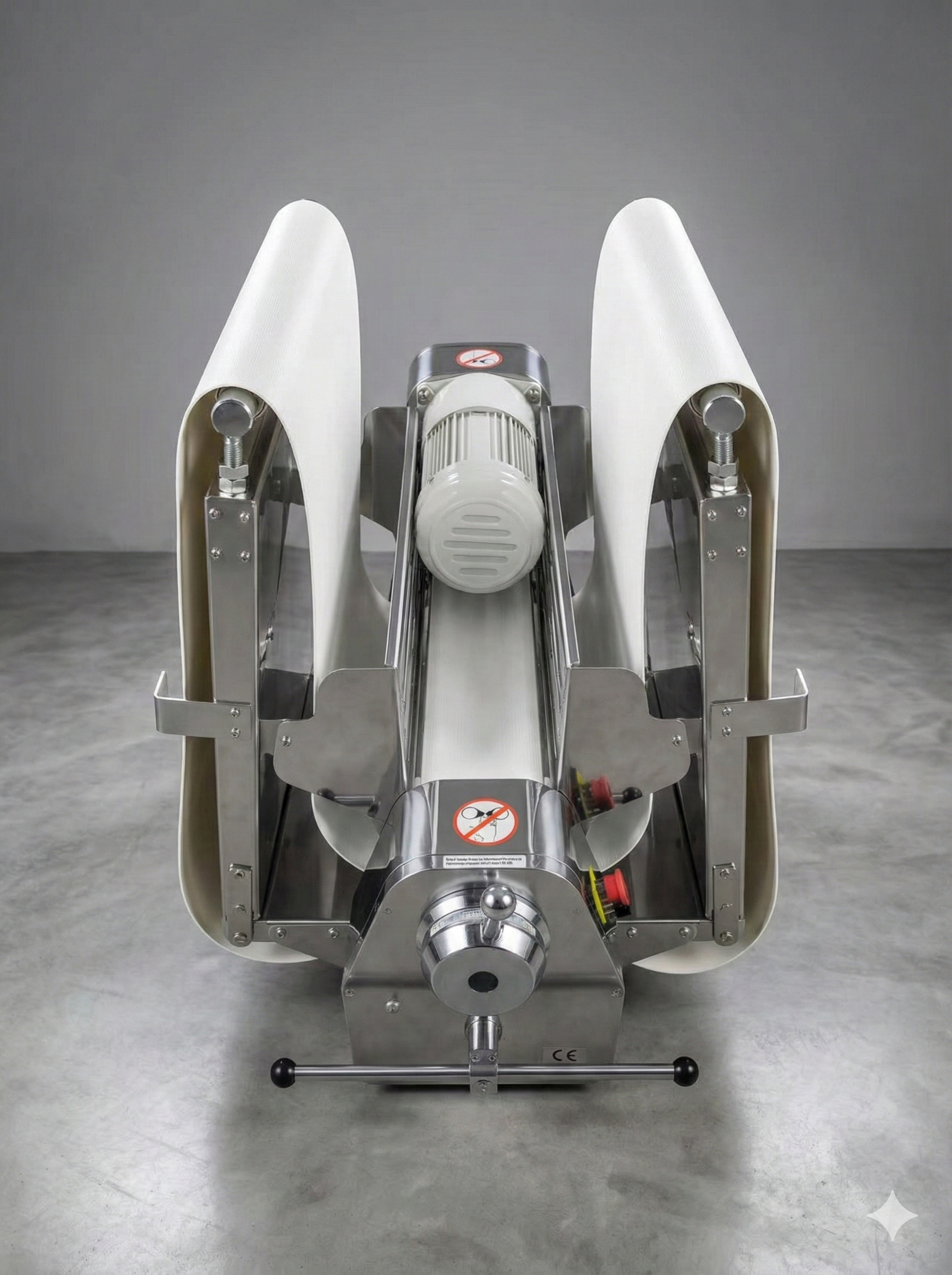
Dough sheeter 520
Foldable table, 520 mm working width, variable speed.
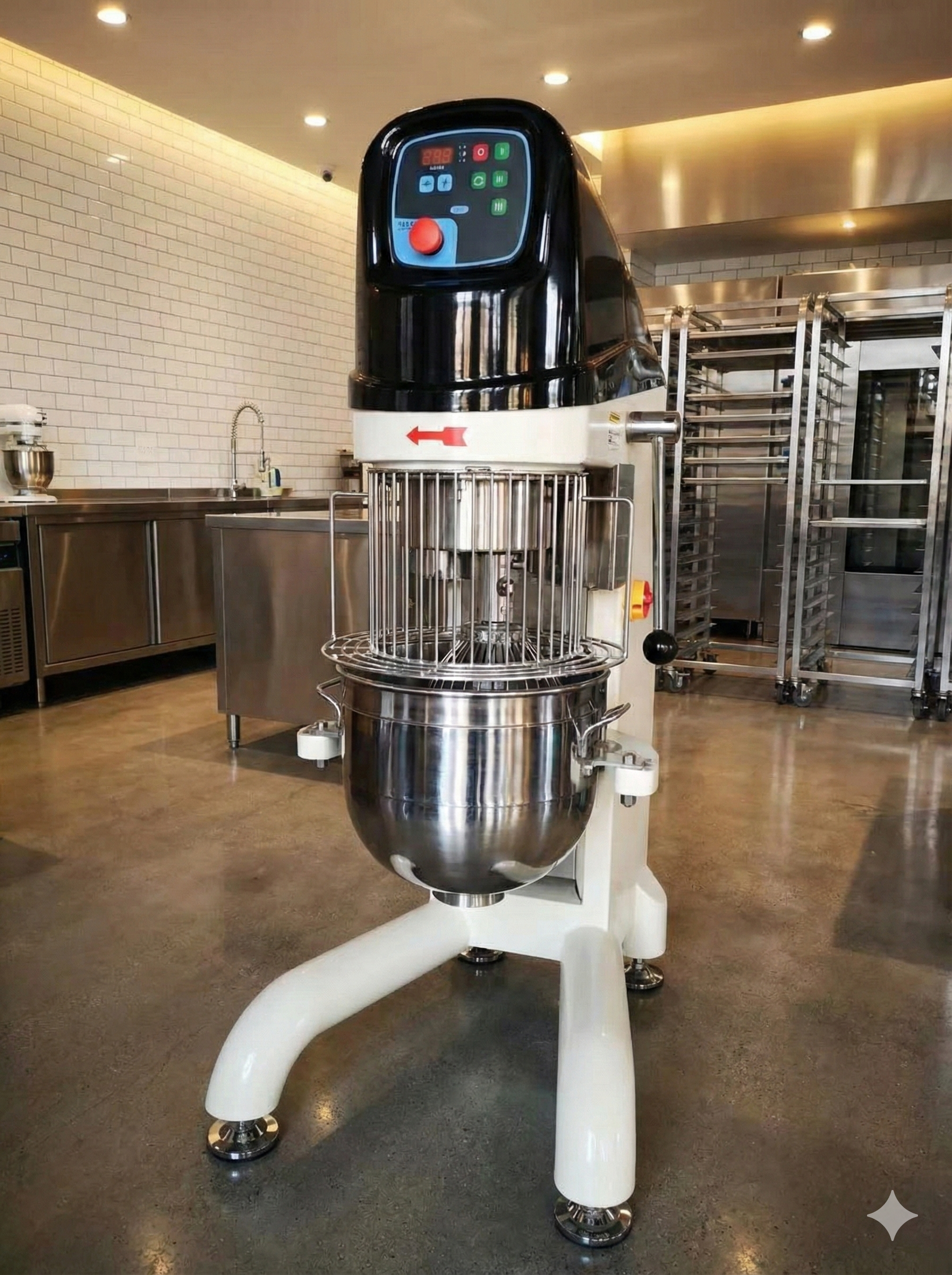
Planetary Mixer (compatible 20/40L)
Compatible 20/40L. Standard accessories: bowl, hook, whisk, beater.
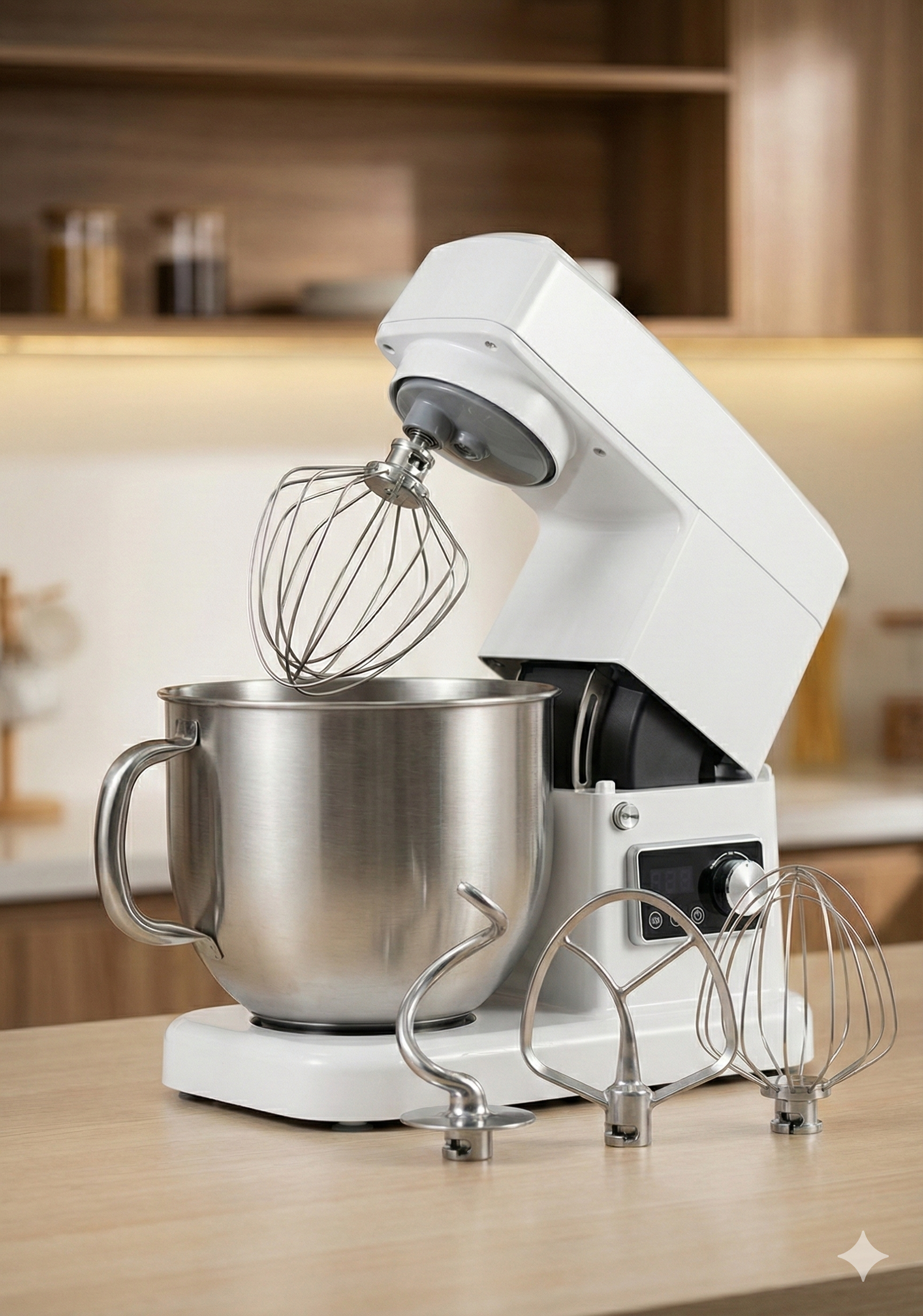
Planetary Mixer 7L
7 L planetary mixer (TB7P): belt drive, adjustable speeds, 0.55 kW copper-wire motor, safety cover and overload protection.

Chef Jacket
Long sleeve chef jacket for professionals. Classic style.

Bakery work shoes
Don't risk falling: certified grip for greasy floors. Ergonomic structure eliminates fatigue, keeping you performing at your best all day.
Further information
- How to choose
- Two criteria decide which machine is worth buying: the hourly output you need (this sets mixer capacity and the number of divisions) and the type of dough handled — high hydration, laminated pastry, brioche. The same nominal capacity draws very different power across those three families of dough.
- Integration
- These machines are sized as a set, not individually. Mixer bowl capacity has to match the pieces per division, and the moulder has to accept the format the oven will take afterwards. An oversized mixer on its own saves no time — it merely queues work at the next station.
Common question — Do we have to replace the whole line at once?
No. The line is completed in stages, starting with whichever station limits throughput today. The rest can follow as volume grows.